The number of dementia patients worldwide is rapidly increasing, and medical and economic losses are also expanding.
Amid a longevity and aging society, the number of dementia patients worldwide is expected to reach 55 million in 2020 and 150 million (projected) by 2030.
Furthermore, medical and economic losses have already reached 1.3 trillion dollars (approximately 200 trillion yen) in 2020, and the impact on society is immeasurable. The economic and physical burden on younger generations is also a major issue.
NUMT will bring hope to the future of medicine and the economy in such an aging society through rejuvenating cell therapy, and create an ecosystem of cutting-edge medicine that will contribute to all generations and the entire world.

The process of human treatment using rejuvenating cell medicine
When applied to humans, fat precursor cells are harvested and adjusted, whereas fat stem cells were used in mice.
Patients who wish to be treated for dementia undergo treatment according to the following procedure. This process, from cell harvesting to injection, takes approximately 1-2 weeks to complete.
- Extraction of adipose tissue (performed under anesthesia)
- Isolation and preparation of adipose stem cells
- Introduction of rejuvenation genes (fatty acid receptor genes)
- Injection of cultured rejuvenation cells into the patient
Gene Therapy by Delivery Technology
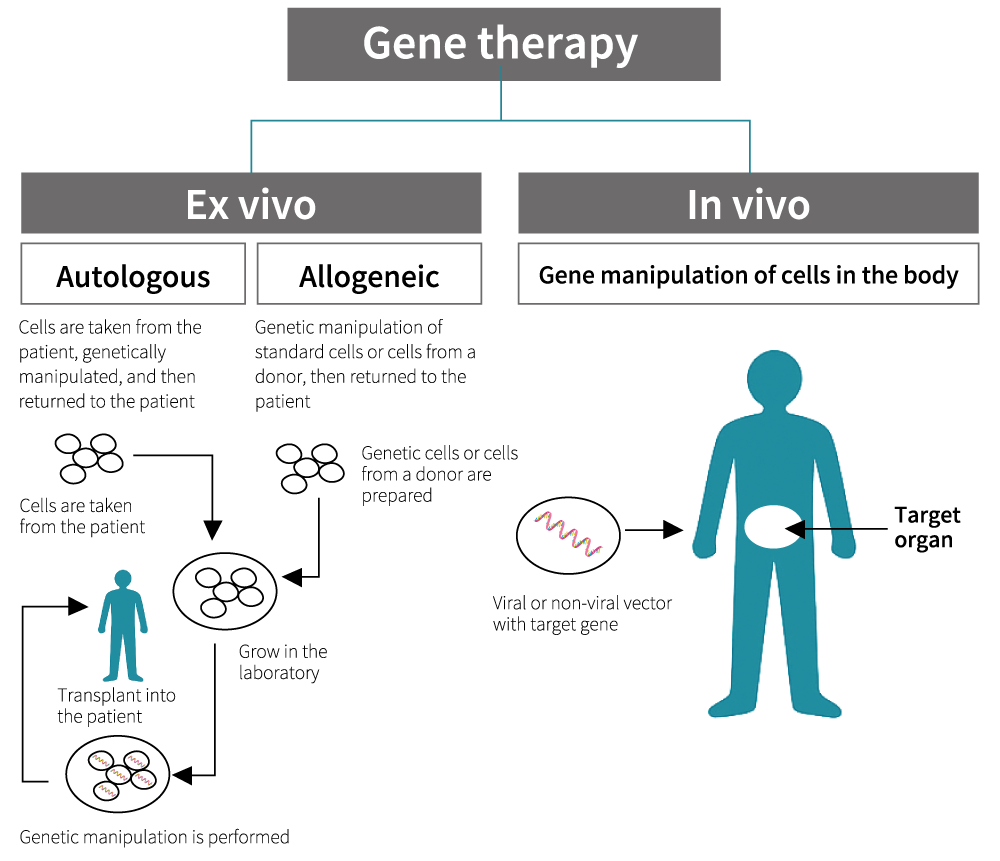
Flexibility and reduced burden of treatment
The features of this treatment are as follows:
During the treatment period, patients can live a normal life.
The transplanted cells are maintained in the body for a long period of time, and sufficient results can be expected with treatment every year.
The long treatment span allows for requests for long-term travel, etc.
Unlike regular drugs, cell therapy is a technology that transplants cells into the body. Therefore, the effects are long-lasting and the frequency of administration (transplantation) is expected to be on a yearly basis.
Therefore, unlike small molecule drugs, it is expected to reduce the physical and economic burden on patients and to increase compliance with treatment.
Future prospects for rejuvenating cell medicine
The application of NUMT's "rejuvenating cell medicine" to humans will bring the following benefits to society as a whole.
Reducing medical and nursing care costs
Resolving labor shortages
Contributing to economic growth
Rejuvenating cell medicine goes beyond mere pharmaceutical development; it reduces the burden of medical care, nursing care, and welfare in a super-aging society, restores vitality to society as a whole, and extends healthy lifespan, enabling "productive aging" that allows the elderly to play an active role in society for longer. It will lead to the creation of a grand ecosystem that contributes to the sustainable development of society as a whole.
You can look forward to the future that NUMT's rejuvenating cell medicine will bring.